The latest news relevant to you and your business


Our Support Continues Beyond Open Enrollment
Open Enrollment is a significant undertaking, and we appreciate your partnership throughout the process. Thank you for working alongside PrestigePEO to help your employees navigate their benefit options and elections.
As you move beyond enrollment and into the new plan year, our team remains here to support you. Please continue to direct employees with benefits questions to the appropriate PrestigePEO resources and contacts and reach out to your dedicated Benefits Specialist with any post-renewal questions or support needs.

New York State Update: Unemployment Insurance System Transition
New York Overhauls Its Unemployment Insurance System
New York State’s Department of Labor (NYS DOL) is replacing its 50-year-old unemployment insurance system with a new platform, Unemployment Services.
The transition begins November 2, 2026, at 5:00 p.m. and is expected to take 9–12 days, during which the system will be unavailable to individuals and businesses.
NYS DOL has confirmed that eligible benefits will not be lost during the outage, though payments may be delayed. More details are available at dol.ny.gov/unemployment.
A Better Way to Stay Connected
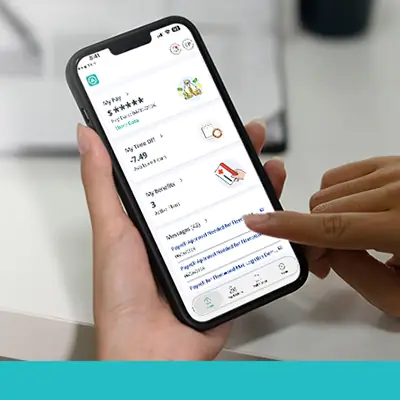
Download The PrismONE Mobile App Before PrestigeGO Retires
PrestigePEO is retiring the PrestigeGO app on December 31, 2026, as part of our continued investment in a more connected and modern technology experience.
In its place, we’re encouraging managers and their employees to transition to the PrismONE Mobile App for convenient mobile access to available tools and information.
PrismONE offers mobile access to payroll, PTO, benefits, HR information, and messages for employees, along with applicable manager functionality based on role, permissions, and configuration. PrestigePRO remains available as your full portal option for anything not yet available in the app.
We’ll be sharing more detailed guidance over the coming weeks to help your organization prepare. In the meantime, visit our resource hub for everything you need to know.

Strengthen Your Cybersecurity Know-How
Cybersecurity Dos and Don’ts to Help You Stay Protected
Cybersecurity starts with the everyday choices we make.
From strengthening passwords and protecting your inbox to spotting suspicious links and safeguarding sensitive information, small steps can make a meaningful difference.
Explore this guide from Industry Defenders for 10 things you should do and 10 things you should avoid to strengthen your personal cybersecurity practices.

Is Your Workplace Ready for Election Day?
Voting Leave Laws: What Employers Need to Know
Voting Leave Laws: What Employers Need to Know for Election Season 2026
As the November 3, 2026, election season approaches, employers, particularly those with remote or multi-state workforces, are encouraged to review their voting leave obligations. Although federal law does not require private employers to provide voting leave, 28 states and the District of Columbia impose their own requirements, which vary widely.
Key compliance variables for employers:
Multi-state employers face compliance challenges because voting leave laws vary in nearly every respect:
- How much time. Some states set a flat number of hours (commonly two), while others use vaguer standards like “necessary,” “sufficient,” or “reasonable” time, often measured against how many non-working hours the employee already has while polls are open.
- Who actually qualifies. Many states only trigger the obligation if the employee doesn’t already have enough free time around their shift to vote without missing work.
- Who controls the scheduling. In several states, the employer can designate whether the leave is taken at the start or end of the shift rather than letting the employee choose.
- Advance notice. More than half of the states with a voting leave law require the employee to request the time before election day and the deadlines range from a day or two to longer windows.
- Paid vs. unpaid. This is an important compliance point. Paid-leave states include Alaska, California, Colorado, Washington D.C., Maryland, Minnesota, Nevada, New York, and Texas, among others, though the paid portion is often capped around two hours. Some states leave it unpaid, and a few condition pay on proof the employee actually voted.
- Employer posting obligations. Several states require a workplace notice describing the right to voting leave, and the deadlines vary widely. Washington D.C. requires posting up to 60 days out, California at least 10 days before every statewide election, and New York at least 10 workdays before an election.
- Early voting. Most state statutes were written with Election Day in mind and don’t clearly address early voting periods, though a handful of state, including Colorado and Georgia, now address it directly.
A few state snapshots:
- California: Employees get paid leave (up to two hours) only if their non-working time is not enough to vote; two working days’ notice is required if the employee will need the time; employers can dictate timing (start or end of shift, whichever leaves more free time); posting required at least 10 days before the election.
- Colorado: As of a 2026 law change, employees get up to two paid hours any day the polling centers are open (not just Election Day), unless they already have three consecutive non-working hours while polls are open. Employees must request leave before the day they intend to use it.
- Illinois: Up to two paid hours between polls opening and closing, with advance notice required; employers can set the hours but must allow a two-hour window if the employee’s shift overlaps too closely with poll hours.
- Kentucky: Employees are entitled to “reasonable,” unpaid time but no less than four hours while polls are open, which is one of the more generous minimums.
- Maryland: Up to two paid hours, but only if the employee doesn’t already have two consecutive non-working hours available while polls are open.
- Washington D.C.: Employers must provide at least 2 hours of paid leave to vote in person but may specify the hours, including requiring employees to use any available early voting period or the beginning or end of working hours. Notably strict on notice: employers must individually notify remote employees and get a signed acknowledgment rather than relying solely on a physical posting.
Practical steps before Election Day
- Map your workforce by location, not headquarters. Voting leave obligations follow where the employee actually works, which matters for remote teams spread across several states.
- Confirm paid-leave caps and notice deadlines for each applicable state. Do not assume last cycle’s policy is still accurate; several states have changed their rules recently.
- Get postings up on time, and don’t forget remote employees who won’t see a physical notice, some states require a separate, individual notice process for them.
- Apply any “sufficient time outside work hours” test consistently so you’re not making arbitrary judgment calls employee by employee.
- Decide your approach even where leave is not legally required. In states without a mandate, employers are not obligated to provide time off, but it’s worth handling requests consistently and being mindful of any state or local protections against retaliation for voting or political activity.
- Build in a recurring review. Because these laws shift fairly often at the state level, a yearly compliance check ahead of each election cycle is the safer approach.
Employers are encouraged to understand specific state voting obligations and confirm each state’s current requirements before election season begins. PrestigePEO is here to help. Please reach out to your HRBP with any questions.

October Compliance Update: What Employers Should Know
Keeping pace with changing workplace requirements is an ongoing responsibility. Explore this month’s key regulatory developments and enforcement activity to help your organization stay informed, assess potential impacts, and navigate an evolving compliance environment.
DOL Clarifies Tip Pool Rules for Managers and Supervisors Performing Tipped Work
On September 7, 2026, the Department of Labor (DOL) issued Opinion Letter FLSA2026-13 clarifying that managers and supervisors are not permitted to share in tip pools even while performing tipped work.
The DOL confirmed that an employee who satisfies the Fair Labor Standards Act’s (FLSA) executive duties test, meaning their primary duty is management, they customarily and regularly direct the work of at least two full-time employees (or the equivalent), and they have authority over hiring, firing, or other significant employment decisions, is considered a manager or supervisor under the FLSA regardless of job title. Such individuals may not retain any portion of tips contributed by other employees through a tip pool or tip-out arrangement, even when working bartending or serving shifts alongside staff. The only exception is for tips left directly and exclusively for services personally and solely provided by the manager or supervisor.
The Opinion Letter is meant as interpretive guidance to explain an existing requirement in place since 2018. Employers that violate these requirements could face civil money penalties, be required to repay improperly retained tips, and lose the tip credit for affected employees, if applicable.
PrestigePEO is dedicated to supporting your compliance efforts. Your HR Business Partner is available to assist with questions, provide guidance, and help address your workplace needs
Workplace Safety: OSHA Highlights Opioid Overdose Preparedness
The Occupational Safety and Health Administration (OSHA) has released new guidance encouraging employers to prepare for potential opioid overdose emergencies in the workplace. The September 2026 fact sheet, Opioid Overdose Rescue with Reversal Medications, highlights employee education, emergency planning, and access to overdose reversal medications as ways to support workplace safety.
Although the guidance does not establish new legal requirements, it reminds employers to evaluate workplace hazards and maintain appropriate emergency response procedures.
What Employers Should Know
An opioid overdose can cause breathing to slow or stop, making prompt action critical. Medications such as naloxone and nalmefene can temporarily reverse the effects of an opioid overdose while emergency medical assistance is on the way.
OSHA encourages employers to consider offering voluntary employee training and assess whether keeping overdose reversal medication on-site is appropriate for their workplace. This may be especially important for businesses with remote worksites, employees who work alone, or locations where emergency responders may take longer to arrive.
Practical Steps for Your Business
Employers can take several proactive steps to strengthen their workplace emergency preparedness:
- Review emergency procedures. Ensure workplace plans address suspected overdoses, including calling 911 and providing assistance.
- Evaluate medication availability. Consider whether keeping an overdose reversal medication on-site is appropriate based on workplace risks and available resources.
- Provide employee education. Consider voluntary overdose-response training.
- Maintain supplies properly. If you stock medication, follow product storage instructions, monitor expiration dates, and keep it accessible during an emergency.
- Promote a respectful response. Encourage employees to treat anyone experiencing a medical emergency professionally and compassionately.
Importantly, administering an overdose reversal medication does not eliminate the need for emergency medical care. Employers should ensure their procedures direct employees to call 911, even if the individual appears to recover.
Compliance Considerations
OSHA’s fact sheet offers informational guidance; it does not create new regulations or require employers to stock overdose reversal medication. State laws may, however, impose workplace requirements. Employers remain responsible for complying with applicable workplace safety requirements, including first aid and emergency preparedness obligations, and should review existing safety programs and consult legal or safety professionals when evaluating their obligations.
How Your Business Can Prepare
Workplace emergency planning is an important part of protecting employees and maintaining a safe work environment. Reviewing current procedures and considering OSHA’s recommendations can help businesses identify opportunities to improve preparedness.
PrestigePEO is here to help. For additional information, review OSHA’s Opioid Overdose Rescue with Reversal Medications fact sheet.
California’s Stay-or-Pay Law: What Employers Need to Know Before 2027
California employers have more time to prepare for new restrictions on employment agreements that require workers to repay certain costs upon leaving a job. For businesses operating in California, the updated law offers an opportunity to review current practices and prepare for upcoming compliance obligations. Assembly Bill 1697 (AB 1697) revises the stay-or-pay restrictions established under AB 692, delays implementation, and introduces additional exceptions that may affect employee bonus programs, reimbursement policies, and other workplace agreements.
A New Timeline for Employers
California’s stay-or-pay law aims to limit agreements that impose financial penalties or repayment obligations on workers who leave an employment relationship. Under AB 1697, these restrictions will apply to covered agreements entered into on or after January 1, 2027.
The legislation also outlines how the law will operate in 2026, giving employers more time to review their agreements and make necessary adjustments. While the delayed deadline offers some breathing room, businesses should not wait until year-end to begin preparing.
Exceptions That May Affect Your Business
This expands the circumstances under which certain repayment arrangements may be permitted. The changes include a broader exception for qualifying discretionary bonus payments, which may extend beyond those provided at the start of employment.
The legislation also provides exceptions for certain grant-funded recruitment and retention programs, specified arrangements for employees to receive paid time off in advance when they voluntarily leave their jobs, and certain affiliation agreements involving securities broker-dealers, insurance producers, and investment advisers. These exceptions have specific conditions and limitations. Employers should carefully review the statutory language before determining whether an agreement qualifies.
Reviewing Your Employment Practices
- The upcoming changes make this a good time for California employers to review their employment agreements and compensation policies more closely.
- Businesses should evaluate training repayment provisions, tuition reimbursement arrangements, bonus agreements, and policies that require employees to repay advances or other expenses upon termination. Any provisions that could trigger repayment upon an employee’s departure deserve particular attention.
- Employers should also review their contract templates and internal procedures to ensure HR, payroll, and management teams understand the updated requirements. Consulting with legal counsel can help determine which agreements may qualify for an exception and where revisions may be needed.
Why Early Preparation Matters
Although AB 1697 allows more time and flexibility, noncompliant agreements still pose legal risks. California law provides remedies for covered violations, including damages, injunctions, and attorneys’ fees and costs. Reviewing practices now can reduce uncertainty, prevent disputes, and prepare businesses for upcoming requirements.
Looking Ahead
California employers should review existing agreements, assess newly available exceptions, and make any necessary changes before January 1, 2027. Taking a proactive approach can help businesses protect legitimate interests while keeping their employment practices in line with California law.
PrestigePEO is here to help. For additional information, consult the official text of California Assembly Bill 1697.
Connecticut's 2026 Employment Law Update
As we have been reporting, Connecticut enacted two major pieces of legislation this year that reshape employer obligations across several fronts. House Bill 5003 (signed May 11, 2026, now Public Act 26-12) is a sweeping omnibus workforce bill touching accommodation notices, training repayment agreements, and lactation accommodations, among other things. Senate Bill 5 (signed June 2, 2026, now Public Act 26-15, the “CART Act”) separately regulates employer use of AI in hiring and workforce decisions. Many of the provisions below took effect October 1, 2026, so employers should be evaluating necessary next steps now.
- New ADA Reasonable Accommodation Notice Requirement
Connecticut is creating its own state-law notice obligation layered on top of the federal Americans with Disabilities Act (“ADA”). Beginning October 1, 2026, employers must give employees written notice of their right to request a reasonable accommodation for a disability under the ADA, on three separate triggers:
- New hires: at the start of employment
- Existing employees: within 120 days of October 1, 2026 (meaning the practical deadline is January 29, 2027)
- Any employee who discloses a disability: within 10 days of that disclosure
Employers can satisfy this by posting a notice developed by the Connecticut Labor Commissioner in a conspicuous location at the employer’s workplace, accessible to all employees. The Commissioner also has authority to issue further regulations on exactly how notice must be delivered.
What to do now:
Build the new-hire notice into onboarding paperwork, calendar the January 29, 2027, deadline for your existing workforce, and posting the Labor Commissioner’s official poster.
- Stay-or-Pay Ban Now Covers Every Employer
Connecticut already restricted “employment promissory notes,” or agreements requiring an employee to repay the employer if they leave before a set period, often used to recoup training costs, but only for employers with 26 or more employees. HB 5003 removes that size threshold entirely: effective October 1, 2026, the prohibition applies to every Connecticut employer, regardless of headcount.
The law defines a prohibited arrangement broadly and looks at substance over labeling — training repayment agreements, reimbursement for onboarding or certification costs, and essentially any repayment obligation tied to early separation are covered, no matter what the document calls itself. Any such agreement entered into on or after the effective date as a condition of employment is void as against public policy.
A handful of exceptions survive: repayment of genuine cash advances or loans, payment for property the employer actually sold or leased to the employee, education-related sabbatical leave terms, and arrangements established through collective bargaining.
What to do now:
Audit sign-on bonus clawbacks, relocation assistance repayment clauses, immigration sponsorship cost recovery, and tuition/education repayment provisions, not just formally labeled “training repayment agreements.”
- Lactation Breaks: Additional Time, Not a Substitute
Connecticut’s existing nursing-mothers law previously allowed employees to use their existing meal or break periods to express breast milk. That’s changing in a way that matters operationally: effective October 1, 2026, employers must provide reasonable break time for this purpose in addition to an employee’s regularly scheduled breaks, not as a substitute for them. The law also reinforces the requirement for a private space, free from intrusion, that has reasonable access to refrigeration (or allows employee-provided cold storage) and an electrical outlet, absent undue hardship to the employer.
What to do now:
Make sure managers understand this is additional time, not a repurposing of existing breaks, a common and costly misunderstanding, and confirm that available lactation spaces actually meet the refrigeration/outlet specifications.
- AI in Hiring: No More Blaming the Algorithm, Plus a New WARN Disclosure
Connecticut’s CART Act, or the Connecticut Artificial Intelligence Responsibility and Transparency Act’s employment provisions roll out in two waves, but the earlier one lands October 1, 2026, alongside everything else above.
AI is not a defense to discrimination.
The Act amends Connecticut’s Fair Employment Practices Act so that, starting October 1, 2026, an employer cannot point to a vendor’s algorithm or automated tool as a defense to a discrimination claim. Delegating a decision to software doesn’t delegate the legal responsibility for it. However, the Commission on Human Rights and Opportunities or a court may treat an employer’s anti-bias testing, and the quality, recency, and scope of that testing, along with how the employer responded to results, as a mitigating factor to a claim of discrimination. In other words, the law doesn’t mandate a specific audit, but documented, credible bias testing becomes the strongest evidence an employer can offer if a claim arises.
New WARN disclosure for AI-related layoffs.
Separately, any employer filing a Connecticut WARN Act notice for a mass layoff or plant closing (generally the 100-or-more-employee threshold that already triggers WARN) must now disclose, in a form the Labor Commissioner will prescribe, whether the workforce reduction is related to the employer’s use of AI or other technological change. This doesn’t restrict the underlying business decision, Connecticut isn’t telling employers they can’t automate a function, it’s a disclosure obligation on the paperwork itself.
Enforcement for both of these runs exclusively through the Connecticut Attorney General under the state’s unfair trade practices statute; there’s no private right of action for these specific provisions, and violations through the end of 2027 come with a discretionary 60-day cure period before the AG can proceed.
A second wave of obligations, including pre-decision notices to employees and applicants when a qualifying automated tool is used, and information-sharing duties between AI developers and the employers deploying their tools, doesn’t take effect until October 1, 2027, giving employers more lead time for compliance considerations on that piece specifically.
What to do now:
Inventory which tools in your hiring and personnel-decision pipeline actually qualify as “automated employment-related decision technology” (broadly defined to include resume screeners, ranking algorithms, and performance-management software, though ordinary tools like word processors and spreadsheets are excluded) versus which are purely administrative. Start, or formalize, anti-bias testing and keep records of it. Build an “AI or technology nexus” check into your reduction-in-force planning process so the answer is documented before you ever file a WARN notice.
PrestigePEO is here to help. We will continue to monitor Connecticut employment law developments.
Illinois Volunteer Emergency Worker Job Protection Act Amended
The amendments to Illinois’ Volunteer Emergency Worker Job Protection Act take effect on January 1, 2027, offering additional employment protections for employees who serve as volunteer firefighters, EMS personnel, and certain emergency management services.
Under the amendments, employers may not terminate, discipline, or otherwise penalize employees for absences or tardiness related to responding to emergencies or attending required volunteer emergency worker training. Also, employers may not require employees to use vacation or other accrued leave for the protected absences, rather the time away from work may be either unpaid or the employee may choose to use accrued leave.
The Act will apply to employers in municipalities with a population of 15,000, up from the previous 7,500 threshold. As a result, employers in towns or cities with a population between 7,500 and 14,999, who were previously covered by the Act, are now exempt from its requirements. Employees may still bring a civil action for violations of the Act, including claims for reinstatement, lost wages and benefits, attorney’s fees, costs, and other appropriate relief.
What Employers Should Do Now
- Check your municipality’s population against the new 15,000 threshold, if you’re an employer in a town or city with a population between 7,500 and 14,999, you are now exempt and no longer required to comply with the Act.
- If still covered, update leave and attendance policies to protect employees not just during emergency response, but also during required training time.
- Remove any policy requiring volunteer emergency workers to use vacation, PTO, or other compensatory time for covered absences.
- Train managers and payroll/HR staff on the expanded protections so lateness or absence tied to training isn’t treated as a policy violation.
PrestigePEO is committed to helping you stay compliant, if you have questions about how these changes may affect your organization, please contact your dedicated HRBP for support.
Maryland's Captive Audience Meeting Ban
Maryland’s Worker Freedom Act took effective on October 1, 2026, prohibiting employers from disciplining, penalizing, or refusing to hire an employee or applicant because they decline to attend or participate in an employer-sponsored meeting where the employer shares its opinion on political or religious matters, including unionization.
What the Law Does
Employers may no longer require attendance at “captive audience” meetings covering political or religious opinions, including views on union organizing; and may not take adverse action against an employee or applicant who opts out. Certain religious, political, and educational institutions are exempt. The law carries meaningful financial exposure: civil penalties of up to $10,000 for a first violation and up to $25,000 for subsequent violations, plus possible reinstatement, back pay, and compensatory damages.
Posting and Distribution Requirement
The Labor Commissioner was tasked with publishing a Notice of Employee’s Rights under the new law, and the DOL has now released it in English and Spanish. Beginning November 1, 2026, employers must display the notice and give a copy to every new hire.
What Employers Should Do Now
- Review all mandatory meeting practices, including town halls and onboarding sessions, for compliance.
- Post the required workplace notice in a conspicuous place accessible by all employees.
- Provide a copy of the workplace notice to all new hires.
- Train managers and supervisors to avoid penalizing employees who choose not to attend meetings covered by the law.
PrestigePEO is here to help you stay compliant and prepared for change. For additional guidance or assistance with workplace policies and practices, reach out to your HR Business Partner.
Maryland's Noncompete Restrictions Expands to Architects
Effective October 1, 2026, Maryland restricts the use of noncompete agreements entered into on or after that date for certain licensed architects.
What the Law Does
Maryland’s existing noncompete law is amended to add licensed architects to the list of growing occupations specifically covered by the statute; however, the employment conditions must meet certain criteria. If an employer had more than 30 employees on the architect’s first day of employment, with a majority of those employees based at a primary worksite in Maryland or working remotely from within Maryland, the employer cannot later enforce a noncompete or conflict-of-interest clause against that architect once it relocates its principal place of business, or the majority of its workforce, outside Maryland. The new law doesn’t ban architect non-competes outright, it strips their enforceability if the employer’s own footprint shifts out of state after hiring the architect under these conditions.
What Employers Should Do Now
- Review restrictive covenants currently in place for licensed architect employees.
- Update template employment and noncompete agreements for architect roles going forward.
PrestigePEO is dedicated to supporting your ongoing compliance efforts. Your HR Business Partner is available to help you understand regulatory changes and address related workplace considerations.
Michigan Launches the Youth Employment Permit Portal (YEPP)
On October 2, 2026, Michigan opened the Youth Employment Permit Portal (YEPP), moving its youth employment work-permit process from paper, school-issued forms to a single statewide online system managed by the Department of Labor and Economic Opportunity (LEO).
What the Law Does
Employers and minors are required to register and apply for a youth work permit through YEPP. After reviewing and approving the application, a LEO officer or director will issue the work permit, authorizing the minor to begin work. The underlying hour, wage, and safety requirements for minors are unchanged, only the permit-issuing process has been moved to the online format. A permit may be revoked if the employment violates the law or if the minor has school attendance problems. Additionally, the employer is responsible for reporting a minor’s separation from work.
Valid school-issued permits already on file remain honored, but school districts will no longer issue work permits.
What Employers Should Do Now
- Register their business in YEPP before hiring any minors.
- Confirm a work permit has been issued before the minor starts work.
- Retain any valid school-issued permits already on file; they continue to be honored.
- Use YEPP going forward for all new permits and to report when a minor’s employment ends.
PrestigePEO is dedicated to supporting your compliance efforts. Your HR Business Partner is available to assist with questions, provide guidance, and help address your workplace needs.
New York Employers Face December Deadline for Workplace Overdose Preparedness
New York businesses may need to add an important item to their workplace safety plans before the end of 2026. Beginning December 13, 2026, covered private employers must keep an opioid antagonist, such as naloxone (commonly sold as Narcan), available at their worksites under New York Labor Law § 27-f. New York employers should evaluate their coverage now and establish procedures to meet the upcoming deadline.
Understanding the New Requirement
Naloxone can temporarily reverse the effects of an opioid overdose, helping to restore normal breathing while emergency medical assistance is on the way. Keeping this medication readily available can be an important part of a workplace emergency response plan.
The New York State Department of Labor has proposed rules on how employers should implement the requirement. These proposals outline practical considerations for medication availability, employee training, and ongoing maintenance. Employers should monitor the rules’ status and confirm the final requirements before implementing compliance programs.
What Employers Should Consider
- Workplace coverage and medication access
Employers should first determine whether federal OSHA standards require their worksites to maintain first-aid supplies. Businesses covered by these requirements may also be subject to New York’s opioid antagonist mandate.
The amount of medication needed will vary by worksite. Employers can consider factors such as the number of employees, building layout, type of work performed, and any prior overdose incidents when determining an appropriate supply. Medication should be kept in an accessible location, and employees should know where to find it.
- Employee training and emergency procedures
Employers should identify employees willing to be trained and ensure appropriate coverage during operating hours, as required. Training should cover how to recognize a possible overdose, administer the available medication as directed, contact emergency responders, and provide appropriate assistance while waiting for help. Employees should also understand the applicable Good Samaritan protections.
- Supply inspections and replacement
Maintaining medication is just as important as obtaining it. Employers should establish a process to check expiration dates, monitor storage conditions, and replace supplies that are used, missing, expired, or compromised. Administration should follow the manufacturer’s instructions or applicable guidance from designated state health agencies.
- Coordination at shared worksites
Employers sharing a worksite should discuss how they will allocate and document responsibilities. Businesses operating alongside other employers may coordinate compliance through a written plan, subject to applicable rules. Employers considering this approach should clearly document responsibilities for medication availability, training, and maintenance.
Steps to Take Before December 13
As the deadline approaches, New York employers should review their workplace safety programs and prepare for the new obligation. Practical steps include determining whether the law applies, estimating medication needs, identifying employees for training, and establishing procedures for inspections and replacements. Businesses should also inform employees where opioid antagonists are located and review their emergency response procedures.
A Proactive Approach to Workplace Safety
The upcoming New York requirement highlights the need to prepare for medical emergencies, not just workplace injuries. Early action helps employers avoid compliance challenges and respond effectively.
PrestigePEO is here to help. Employers may review New York Labor Law § 27-f and monitor guidance from the New York State Department of Labor for more information.
New York's Trapped at Work Act (Stay-or-Pay Ban)
New York’s delayed Trapped at Work Act is set to take effect on December 19, 2026, prohibiting employers from requiring employees to sign promissory notes that penalize them financially for leaving their job early.
What the Law Does
The Act bans employment promissory notes and other similar provisions, designated as any agreement that requires an employee to pay the employer back if they separate from employment before a set amount of time has passed. These agreements are void and unenforceable, even if the repayment requirement is a provision found inside a larger employment contract, although the rest of that contract remains intact. The law applies to all New York employers, regardless of size, but only protects employees; apprentices, independent contractors, interns, externs, and volunteers are not covered. However, there are a handful of exceptions, including:
- Repayment for tuition toward a genuinely transferable credential that is not required as a condition of employment (if structured correctly in a separate written agreement).
- Repayment for property the employer voluntarily sold or leased to the employee.
- Sabbatical-leave terms for educational staff.
- Collectively bargained arrangements.
- Certain bonuses, relocation payments, or non-education incentives so long as repayment is not tied to performance and doesn’t apply when the employee is terminated for reasons other than misconduct.
The Labor Commissioner is tasked with enforcing the Act, with monetary penalties to be assessed between $1,000 to $5,000 per violation.
What Employers Should Do Now
- Review offer letters, training agreements, sign-on bonus agreements, and relocation agreements for repayment or “clawback” provisions.
- Confirm that any remaining repayment provisions fall within one of the law’s narrow exceptions, and that they’re structured the way the law requires (separate written agreement, capped and prorated repayment, no acceleration on early departure).
- Remove or revise provisions that condition repayment on performance rather than true misconduct-based termination.
- Consider alternative retention tools, such as deferred compensation or retention bonuses that don’t rely on repayment obligations.
PrestigePEO is committed to helping you stay compliant. If you have questions about how these changes may affect your organization, please contact your dedicated HRBP for support.
New Jersey's Final ABC Test Regulations for Independent Contractors
On October 1, 2026, New Jersey’s final worker-classification rules took effect, clarifying how the state applies its existing ABC test to determine whether a worker is properly classified as an employee or an independent contractor.
How the Test Works
The new rules don’t change New Jersey’s three-prong ABC test, which has been in place since 1936. To treat someone as an independent contractor, a business must still show all three of the following:
- Prong A: The worker is free from the company’s control over how the work gets done;
- Prong B: The work is either outside the company’s normal business or performed somewhere other than the company’s own locations; and
- Prong C: The worker runs an independent business of their own.
What the regulations add is detail for each of the prongs. As a general matter, a 1099, a professional license, a business registration, or a contract calling someone a contractor does not by itself establish independence. Under Prong A, the state weighs nine non-exhaustive factors in deciding whether a worker is truly free from control. Under Prong B, a remote worker’s home is not treated as the employer’s place of business, unless operated by the employer. Under Prong C, seven factors bear on whether the worker runs a genuinely independent business, including how long and how viably that business has operated, how many customers it has and how much work each provides, how much income comes from the hiring company versus elsewhere, whether the worker advertises and has a visible business presence, how many people the worker employs, and how much the worker has invested in tools, equipment and vehicles.
The rules apply across several state employment laws, including unemployment compensation, wage and hour, wage payment, temporary disability benefits, and earned sick leave. For more information on NJAC 12:11 New Rules, please review Application of the Statutory ABC Test for Independent Contractor Status.
What Employers Should Do Now
- Review every independent contractor relationship in New Jersey against the three-part test, not just the paperwork in place.
- Look closely at contractor agreements for noncompete, exclusivity, or other restrictions that could be read as “control” over the worker.
- Gather and keep documentation showing genuine independence, such as the contractor serving multiple clients, using their own equipment, and setting their own schedule.
- Pay particular attention to contractors who perform the same work the company sells, follow a company-set schedule, or rely on the company for most of their income — these relationships face the most scrutiny.
PrestigePEO is committed to helping you stay compliant. If you have questions about how these changes may affect your organization, please contact your dedicated HRBP for support.
Ohio's Extended Child Labor Hours for Certain 14 and 15 Year-Olds
Effective October 9, 2026, Ohio law allows workers under 16 years of age to work up to 9:00 pm on any night not preceding a school day so long as there is approval from a parent or guardian.
What the Law Does
A provision within House Bill 455 amended Ohio’s Employment of Minors statute to extend the permitted evening work hours for minors under 16 years of age from 7:00 pm to 9:00 pm during the period between Labor Day and June 1st. However, to qualify for the extended hours, the work night may not precede a school day and a parent or guardian must provide approval.
It’s important to keep in mind that under the federal Fair Labor Standards Act (FLSA), 14 and 15 year-old workers are only permitted to work until 7:00 pm during the period between Labor Day and June 1st. Therefore, when an employer is subject to both state and the FSLA, federal law prevails and the cut-off remains 7:00 pm. It’s only during the summer months, June 1st through Labor Day, that both state and federal law allow minors under 16 to work until 9:00pm.
What Employers Should Do Now
- Determine whether the business is covered by the federal FLSA, in addition to Ohio’s child labor law, to determine which hour limit actually controls.
- Reserve the later 9:00 pm cutoff for the federally permitted summer window (June 1 through Labor Day), when both state and federal law align.
- Watch for the new Ohio minor work-hour notice form and incorporate it into onboarding and workplace postings once released.
- Update scheduling software, manager guidance, and training materials so supervisors don’t mistakenly rely on the more permissive state hour alone when subjected to FLSA.
PrestigePEO is committed to helping you stay compliant. If you have questions about how these changes may affect your organization, please contact your dedicated HRBP for support.
Oklahoma Updates Medical Marijuana and Workplace Drug Testing Rules
Effective November 1, 2026, Oklahoma House Bill 3127 revises workplace protections for medical marijuana license holders, establishes zero tolerance in designated safety-sensitive roles, and allows employers to enforce qualifying drug-testing policies.
These changes make it important for Oklahoma businesses to review their employment policies before the effective date.
What Employers Need to Know
Oklahoma law continues to prohibit employers from taking adverse action against an employee solely because the employee holds a valid medical marijuana license. A positive marijuana test result also generally remains protected, subject to specific statutory exceptions.
Under the amended law, employers may act on a positive test if the employee lacks a valid medical marijuana license, uses or is under the influence of medical marijuana at work or while performing work duties, or if the action is allowed under a written drug-testing policy that complies with Oklahoma’s Standards for Workplace Drug and Alcohol Testing Act.
The law also requires a zero-tolerance drug-and-alcohol standard for employees and applicants in safety-sensitive positions.
Which Positions Qualify as Safety-Sensitive?
The revised definition focuses on employees who perform specified duties, such as operating vehicles or machinery, handling hazardous materials, carrying firearms, providing direct patient care or childcare, dispensing pharmaceuticals, fighting fires, and maintaining critical infrastructure.
Because the amended definition removes the previous broader language that let employers classify positions based on their own reasonable safety concerns, businesses should reassess job duties rather than rely solely on existing job titles or classifications.
Steps to Prepare for November 1
Oklahoma employers should use the time before November 1 to review job classifications, update drug-testing policies as needed, and prepare management teams for the amended requirements. Oklahoma employers should review job descriptions to identify positions covered by the revised safety-sensitive definition and ensure their policies reflect applicable zero-tolerance standards. Businesses should also audit written drug-testing procedures for compliance with state law. Under Oklahoma law, changes to covered drug-testing policies generally require at least 10 days’ notice to employees. Employers should distribute updated policies, document employee acknowledgments, and train managers to apply them consistently.
Considerations for Multi-State Employers
Medical marijuana protections and workplace drug-testing requirements vary by state. Employers operating in multiple jurisdictions should avoid applying a single policy without considering local requirements. Federal testing obligations, including those applicable to Department of Transportation-regulated positions, must also be considered separately.
PrestigePEO is here to help. For additional information, consult Oklahoma House Bill 3127 and the applicable provisions of the Oklahoma Medical Marijuana and Patient Protection Act.
Rhode Island RISavers: Retirement Program Deadline Approaches for Larger Employers
Rhode Island employers without a qualified retirement plan should review their RISavers obligations. The first major deadline is October 15, 2026, for employers with over 100 eligible employees. RISavers is a state-sponsored program enabling eligible employees to save for retirement through payroll deductions into Roth IRAs. Employers offering a qualifying plan generally must certify their exemption.
Which Employers Are Affected?
Private-sector employers with five or more employees that do not offer a qualifying retirement plan must either register for RISavers by the applicable deadlines or establish their own qualifying plan.
The state’s phased deadlines are:
- October 15, 2026: Employers with more than 100 eligible employees.
- October 15, 2027: Employers with 50–99 eligible employees.
- October 15, 2028: Employers with 5–49 eligible employees.
Employers should verify their applicable employee count and deadline with the program, particularly if their workforce is close to a threshold.
What Do Employers Need to Do?
Businesses that already offer a qualifying retirement plan should use the RISavers portal to certify their exemption. Employers without a qualifying plan should register, submit the required business and payroll information, and coordinate payroll deductions and employee communications.
Employees are generally enrolled automatically at a default contribution rate of 5% of pay, but they can change their contribution rate or opt out. Contributions are made to Roth IRAs from after-tax wages.
Employers are not required to match employee contributions. However, they must complete the applicable registration or exemption process and meet their administrative responsibilities.
What Happens If You Miss the Deadline?
Employers that fail to comply may receive a notice from the state and an opportunity to correct the issue. Under Rhode Island law, failing to comply within 30 days after the required notice may result in a $250 penalty per eligible employee, and businesses should address any outstanding requirements promptly.
Take Action Now
Rhode Island business owners should confirm their employee count, determine whether they qualify for an exemption, and complete any required registration or certification before the applicable deadline. Employers should also consult their payroll provider to determine whether it can assist with RISavers administration. For details and registration instructions, visit the official RISavers website.
PrestigePEO is here to help you stay compliant and prepared for change. For additional guidance or assistance with workplace policies and practices, reach out to your HR Business Partner.
Utah Hospitals Must Prepare for New Workplace Violence Reporting Rules
Utah hospitals must prepare for new requirements to improve workplace violence reporting and prevention. House Bill 380 (HB 380), signed into law on March 18, 2026, establishes new procedures to track incidents, protect employees who report violence, and share incident data with hospital leadership and state officials.
The law took effect May 6, 2026, and requires full compliance by November 1, 2026. It applies to general acute hospitals and specialty hospitals covered by Utah law.
What Does the Law Require?
Covered hospitals must establish a workplace violence reporting system that employees can access and understand. Hospitals must communicate reporting procedures to employees, including during new-hire orientation, and provide guidance on when to notify hospital management, security personnel, or law enforcement.
Hospitals must also adopt an anti-retaliation policy protecting employees who report workplace violence or participate in related investigations.
Incident records must capture key details, including when the incident occurred, what happened, the job category of affected employees, the type of individual responsible, the immediate response, and any subsequent corrective actions or policy changes.
Reporting and Recordkeeping Responsibilities
Beginning November 1, 2026, hospitals must provide workplace violence data to their chief medical officer and chief nursing officer quarterly. Hospitals must also retain incident records for at least two years and report annual incident totals to the Utah Department of Health and Human Services.
Collecting information is only part of the obligation. Hospitals must use the data to identify workplace risks and strengthen prevention efforts, which may include de-escalation training, employee training, and improvements to workplace safety procedures.
How Hospitals Can Prepare
Hospitals should update incident-reporting forms to capture required information and have HR, compliance, security, risk management, and clinical leaders coordinate consistent reporting and escalation procedures. They should update handbooks, orientation, and internal communications to explain reporting and anti-retaliation protections. Clear processes for reviewing trends and preparing required reports help hospitals meet obligations and improve workplace safety.
Why Compliance Matters
Workplace violence harms staff well-being, staffing, and patient care. Utah’s new requirements help hospitals document incidents and reduce future risks. Hospitals should prepare for the November deadline and consult qualified legal or compliance professionals about their obligations.
PrestigePEO is here to help. For additional information, review the official text of Utah House Bill 380.

Growing Across State Lines?
Multi-State Growth Brings New Compliance Considerations
Expanding your workforce into new states can create added complexity across HR, payroll, employee benefits, leave, and compliance.
Whether you’re hiring remote employees, opening new locations, or entering new markets, understanding how requirements can vary by state is an important part of managing growth. Explore key multi-state compliance considerations and strategies for building a more consistent, scalable approach.

Protection for Every Member of the Family
Help Take the Worry Out of Pet Care
Pets are part of the family, and caring for them can come with unexpected expenses. MetLife Pet Insurance offers flexible coverage options that can help with eligible costs associated with accidents, illnesses, and routine veterinary care. Explore your options and discover added peace of mind when it comes to caring for your pets.

Turn Performance into Progress
Build a More Engaged, Goal-Aligned Workforce
Effective performance management is about more than annual reviews.
ClearCompany helps you design, automate, and manage employee reviews while creating greater alignment around goals and providing meaningful insights into your workforce. Give managers the tools to support employee development, strengthen engagement, and help retain top talent.

A Simple Introduction Could Be Worth Up to $2,500
Know a business that could benefit from a more strategic approach to HR, employee benefits, payroll, and workforce support?
Make an introduction to PrestigePEO. If your qualified referral becomes a client, you can earn up to $2,500, with NO LIMIT on how many referral rewards you can earn.