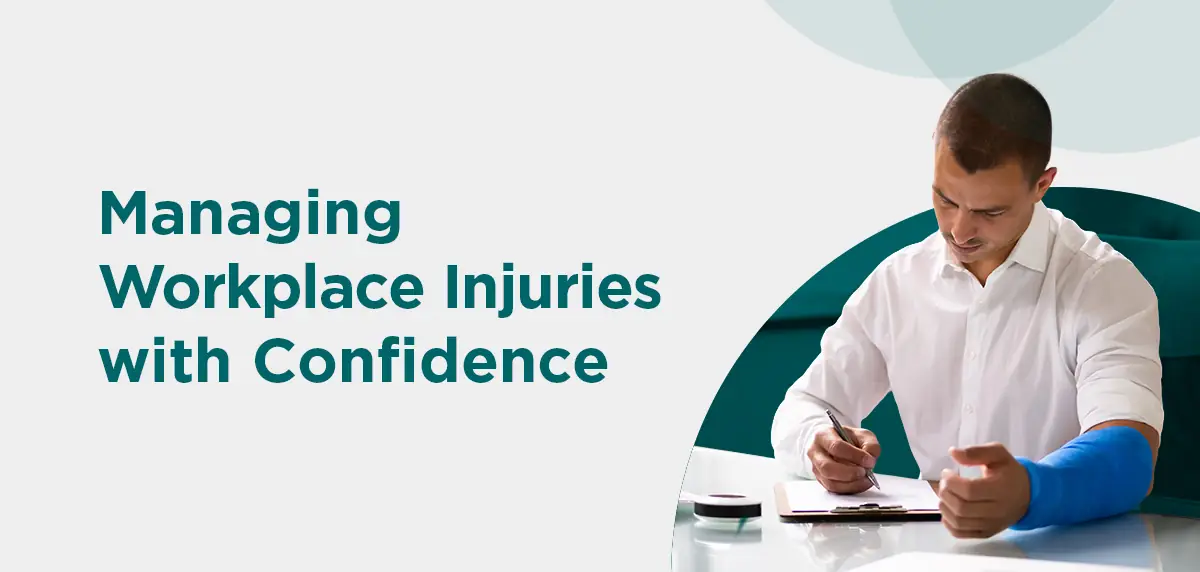
Workplace injuries impact both employee well-being and business operations, which is why a good workers’ compensation claims management process is essential. Workplace injuries force employers to manage medical care, compliance requirements, claims costs and workforce disruptions. Workers’ compensation coverage helps protect employers from direct liability exposure related to workplace injuries
Effective claims management requires coordination, documentation and regulatory oversight, which is exactly what PrestigePEO provides, with a structured approach that reduces disruption and controls long-term costs.
In this article, you’ll learn:
- Effective claims management is crucial for minimizing disruptions and supporting financial recovery after workplace injuries.
- Timely filing, thorough investigation and employee support are key components of effective claims management.
- Complex regulations and administrative demands make handling claims management internally challenging.
- Internal handling can lead to increased costs and strained employee relations.
- PrestigePEO offers comprehensive support to streamline claims management for businesses.
Core Elements of Effective Claims Management
Competent workers’ compensation claims management has several core components, which include:
- Timely and accurate filing: This requires gathering documentation and meeting state deadlines to prevent delays or denials.
- Thorough investigation: This means interviewing witnesses, reviewing safety protocols and assessing the work environment.
- Coordination with insurance carriers: This involves maintaining consistent communication to keep claims progressing efficiently.
- Employee support: This means facilitating access to medical care, rehabilitation services and return-to-work planning.
When workers’ comp and workers’ comp risk management elements are managed proactively, businesses reduce downtime while supporting employee recovery.
How Claims Management Directly Impacts Business Stability
A poorly managed claim without workers’ comp risk management can create operational and financial strain.
Delays, filing errors and unresolved disputes can increase administrative expenses, legal exposure and medical costs. Inaccurate or inconsistent handling may also affect future insurance premiums.
Treatment delays or benefit disputes may extend a person’s recovery time and increase absence duration. At the organizational level, inconsistent claim handling can reduce employee confidence and negatively affect morale. Colleagues may begin to worry about their own safety, leading to heightened anxiety and diminished job satisfaction. This not only impacts your bottom line but also affects your ability to maintain a productive workforce.
Over time, unresolved claims issues can contribute to retention challenges and impact employer reputations. By prioritizing effective claims management, businesses can safeguard their operations and maintain a positive work environment.
Why Workers’ Compensation Claims Are Operationally Complex
The workers’ comp claims management process is notoriously challenging due to several factors:
- Complex, state-specific regulations: Requirements and deadlines vary by jurisdiction.
- Administrative demands: Managing claims requires coordination among carriers, providers and legal stakeholders.
- Specialized expertise: Effective claims management requires expertise in medical, legal and insurance areas.
These complexities often require dedicated expertise and consistent oversight that is quite challenging to handle internally.
What Are the Risks of Handling Workers' Compensation Claims Internally?
Handling workers’ compensation claims internally can expose businesses to several risks:
- High Costs
Without specialized oversight, filing errors or missed deadlines can contribute to higher experience modification factors and potential premium increases.
- Improper investigations
Inadequate investigations can lead to disputes, increasing the likelihood of litigation and reputational risk.
- Strained employee-employer relations
Inconsistent claim handling can erode trust and create perceptions of unfair treatment, affecting morale and productivity. Employees may feel unsupported, leading to decreased productivity and increased turnover.
Fortunately, you can mitigate these risks by leveraging external claims expertise.
How Does PrestigePEO's Workers’ Comp Process Reduce Challenges?
PrestigePEO provides a structured workers’ compensation claims management process designed to reduce disruption and control long-term costs. Our team manages coordination, documentation and oversight so employers can remain focused on operations. PrestigePEO offers:
- Comprehensive claims support: End-to-end claims management, from initial reporting and documentation to final resolution.
- Carrier coordination: Access to coverage through leading, highly rated carriers.
- Experience modification analysis: We provide a detailed analysis of your experience modification rating, offering insight into rating factors and premium impact.
- Safety and prevention resources: Tools to help reduce injury frequency and claim volume.
- Return-to-work planning: We support businesses to develop effective return-to-work programs. These structured programs ensure that injured employees can transition back to work smoothly and safely.

How Does Strong Workers' Comp Claims Management Build Employee Trust?
Strong claims management supports more than cost control. It reinforces employee trust. Timely communication and structured support demonstrate organizational commitment to employee well-being.
- Transparent communication: Clear and open communication throughout the claims process helps employees understand next steps and feel supported.
- Timely support: Prompt medical care supports recovery and reduces uncertainty.
- Consistent process: A structured and consistent claims management process ensures that all employees are treated fairly and equitably.
By prioritizing these elements, businesses can create a supportive work environment that attracts and retains top talent.
How Does a Supportive Claims Management Process Enhance Business Reputation and What Does It Entail?
A supportive claims process reinforces organizational credibility. Clear procedures, leadership involvement and consistent communication demonstrate accountability and care
Continuous evaluation of claims performance, such as tracking resolution timelines, costs and return-to-work outcomes, helps shift a program from reactive to proactive. Over time, this structured oversight strengthens operational resilience and supports workforce stability.
Ongoing enhancements shift a workers’ comp program from a reactive to a proactive strategy. By consistently evaluating performance, incorporating feedback and embracing innovation, organizations can develop a program that emphasizes safety, recovery and employee trust.
This proactive approach not only aids injured employees but also bolsters your organization’s resilience, adaptability and reputation. As the workers’ comp landscape evolves, a dedication to continuous improvement ensures that your program stays effective and aligned with organizational objectives.
PrestigePEO’s workers’ compensation services include:
- Access to coverage through top-rated carriers
- Claims reporting, guidance and documentation support
- Carrier coordination and oversight
- Experience modification analysis
- Safety and prevention resources
- Support for return-to-work planning
Protect Business Stability with Structured Claims Expertise
Effective workers’ compensation claims management does more than resolve incidents – it protects your business from unnecessary disruption, rising costs and compliance risks. With the right expertise guiding the process, employers can respond to workplace injuries quickly, support employee recovery and maintain operational stability.
Partnering with PrestigePEO means fewer administrative burdens, stronger risk management and greater confidence when challenges arise. See how PrestigePEO’s claims management expertise can help safeguard your workforce and strengthen your business.