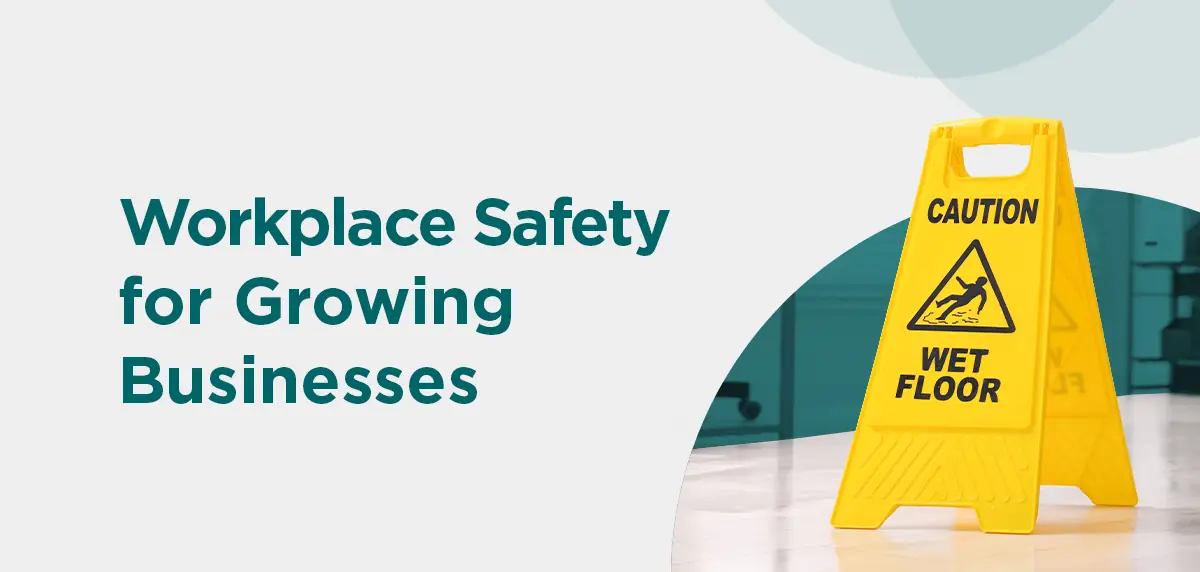
Without a structured workplace safety approach, accidents can disrupt a growing business’s operations, increase costs and threaten long-term stability.
A proactive safety strategy supported by strong compliance practices protects employees and sustains business growth. Below, we outline how growing businesses can manage workplace safety to protect operations, and how PrestigePEO guides businesses to control risk and support sustainable growth.
Why Is Workplace Safety Important?
Implementing workplace safety is both a compliance obligation and a risk strategy. By prioritizing safety, businesses can mitigate risks that could otherwise lead to significant disruptions and financial losses.
Accidents Can Disrupt Operations and Decrease Productivity
Workplace accidents have consequences. Injuries can lead to lost productivity and employee absences, but can also result in regulatory penalties and reputational damage. As organizations scale, even small safety gaps can have amplified consequences. Workplace injuries can interrupt production, delay timelines and increase labor and insurance costs.
Additionally, employee morale and trust can be impacted, leading to potentially higher turnover rates and difficulty in attracting new talent.
A Safety Program Supports Long-Term Business Stability
A structured workplace safety program improves engagement, strengthens claims performance and supports predictable growth and long-term business stability. Employees who feel safe and valued are more likely to be engaged and productive, contributing positively to the company’s culture and success. Furthermore, a robust safety program enhances a company’s reputation, making it an attractive option for potential clients and partners.
How Does Having Workplace Safety Policies Affect Workers’ Compensation Risk?
Workplace safety directly impacts workers’ compensation claim frequency, severity and long-term premium costs. A robust safety program reduces the frequency and severity of incidents, and helps manage the financial implications associated with workers’ comp.
Fewer Incidents Mean Lower Claims and Premium Impacts
Insurance transfers risk; safety management reduces it. Claims history influences premium calculations and long-term insurability. Fewer injuries mean a better claims history and more predictable costs. When businesses prioritize safety, incident claims are reduced, which lowers insurance premiums. This financial predictability provides businesses with better resource allocation and plans for future expansion more effectively.
Prevention Is as Important as Coverage
While insurance manages financial risk after an incident, safety programs help prevent incidents from happening in the first place. Prevention is the most effective strategy for managing risk since it addresses potential hazards before they result in harm. By implementing comprehensive safety policies and training programs, businesses establish clear accountability and hazard awareness across teams.

What Should Growing Businesses Include in a Workplace Safety Strategy?
A scalable safety strategy should evolve alongside workforce growth. A well-structured strategy not only ensures compliance with regulations but also fosters a culture of safety that permeates every level of the organization.
Clear Policies and Ongoing Safety Compliance Monitoring
A written workplace safety policy in an employee handbook, regular training, hazard identification and documentation processes ensure ongoing compliance. Documentation protects employers during audits and claims disputes. Monitoring helps identify trends before they become costly incidents.
Clear policies provide a framework for consistent safety practices across the organization, while ongoing monitoring ensures adherence and updates as needed. Regular training sessions keep safety top-of-mind for employees and equip them with the knowledge and skills to maintain an intact working environment.
Proactive Risk Identification and Mitigation
As teams scale, new roles, equipment and environments create new exposures. Safety assessments and data-driven insights help employers identify and address risks before they escalate. Proactive risk identification analyzes workplace processes and environments to uncover potential hazards, and implements measures to mitigate them.
This approach not only prevents incidents but also enhances operational efficiency by streamlining processes and reducing downtime. PrestigePEO works alongside employers to assess risk exposure, strengthen compliance practices and implement scalable safety controls.
Why Workplace Safety Matters for Brokers and Their Clients
For brokers, workplace safety directly impacts client retention, claims performance and long-term account stability. Understanding the intricacies of workplace safety is essential to providing clients with valuable guidance and support. By emphasizing the importance of safety, brokers can help their clients mitigate risks, reduce potential liabilities and enhance overall business stability.
Growth Increases Risks for Employers and Brokers
As clients expand into new locations or add employees, exposure to claims and compliance risks grows. Brokers play a crucial role by providing expert guidance and resources. By partnering with PrestigePEO, brokers can proactively support workplace safety and risk mitigation, ensuring that their clients are well-equipped to manage the complexities of growth.
A Strategic PrestigePEO Partnership Strengthens Client Retention
By offering access to workplace safety expertise, safety compliance guidance and workers’ compensation risk support through PrestigePEO, brokers provide greater long-term value to their clients. This strategic partnership enables brokers to offer comprehensive solutions that address the evolving needs of growing businesses.
Workplace Safety: A Pillar for Sustainable Growth
Workplace safety is a strategic foundation for sustainable growth. By implementing strong safety compliance practices and partnering with a trusted PEO like PrestigePEO, businesses and brokers can reduce risk, protect employees and support long-term stability. A proactive approach to workplace safety not only safeguards the well-being of employees but also enhances the resilience and competitiveness of the business in an ever-evolving market.
See how PrestigePEO supports workplace safety to build a strategy that supports growth, reduces risk and strengthens client retention.