How GLP-1 Medications Are Reshaping Employer Healthcare Costs
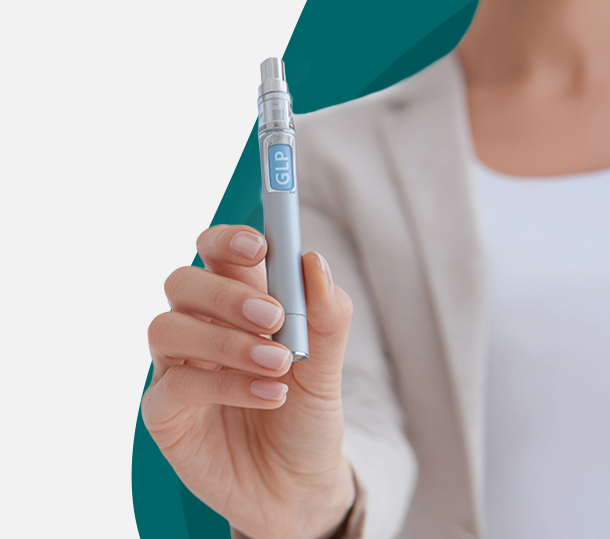
GLP‑1 medications are emerging as a significant driver of rising healthcare costs, introducing new complexity into benefits planning for growing businesses. As utilization expands and demand increases, these high‑cost therapies are influencing pharmacy spend, insurance renewals, and long‑term cost predictability.
For employers, understanding how these trends impact overall plan performance is critical. This article explores what’s driving these cost shifts and what business owners should consider to better manage risk, maintain cost control, and build a more sustainable benefits strategy.

Understanding SUTA Thresholds and Their Impact on Your Business
As businesses expand across state lines, payroll compliance becomes increasingly complex. SUTA thresholds, along with state‑specific tax rates and wage bases, can vary significantly, directly affecting payroll costs, cash flow, and overall financial planning.
For growing organizations, understanding these variables is essential to avoiding unexpected liabilities and maintaining compliance. This article breaks down what drives these differences and what business owners should consider when managing a multi‑state workforce.

Labor Law Poster Requirements: What Employers Need to Know
Labor law poster compliance is a foundational requirement, but it’s often overlooked, especially as businesses expand across states or adopt remote work models. What starts as a simple obligation quickly becomes more complex when requirements vary by location and change over time.
This article breaks down what employers need to display, when updates are required, and how to ensure postings remain visible and accessible across both physical and remote workforces.

Built for Businesses Ready to Scale
Mid-Market Solutions for Growing, Complex Organizations
As businesses grow, managing HR, compliance, and workforce complexity becomes significantly more demanding. Mid-market organizations need more than basic support; they need infrastructure that scales with them.
PrestigePEO’s Mid-Market solution delivers enterprise-level HR, benefits, payroll, and compliance support, combined with a dedicated service model designed for larger, multi-state teams. It’s a more strategic approach that helps businesses simplify operations, stay compliant, and continue growing with confidence.

Important Update: Increased I-9 Compliance Expectations
Employers should recognize a recent shift in federal enforcement priorities that underscores the importance of maintaining fully accurate and complete Form I‑9 records. U.S. Immigration and Customs Enforcement (ICE) has changed how it assesses Form I‑9 compliance. Errors once considered minor and correctable may now be treated as substantive violations subject to potential penalties.
Routine omissions or incomplete fields now carry a higher risk of audit penalties, and employers need to ensure that Form I‑9s are completed accurately from the outset and maintained appropriately over time.
Historically, certain I‑9 errors, such as missing dates or minor clerical oversights, could often be corrected if identified during an inspection. Under the current enforcement approach, a broader range of issues may be treated as substantive violations, potentially resulting in fines even when unintentional.
Areas receiving increased attention include:
- Incomplete or inconsistent employee responses in Section 1
- Missing signatures or dates
- Incomplete employer fields in Section 2
- Errors in reverification
- Unclear or improperly documented corrections
- Failure to meet required completion deadlines
Section 1 remains a key risk area. Although employees complete this section, employers are responsible for ensuring its accuracy and completeness.
ICE is also focusing more broadly on overall compliance practices, including whether employers:
- Apply processes consistently across employees
- Maintain complete and aligned documentation
- Properly document corrections
- Can produce records promptly during an audit
Even small but repeated errors across multiple forms may increase exposure.
To reduce risk, employers should review their processes and focus on:
- Ensuring I-9s are completed fully and on time
- Confirming employees complete Section 1 accurately, including required fields and signatures
- Training staff or authorized representatives on Section 2 and reverification requirements
- Conducting periodic internal audits
- Using the current Form I-9 and following proper correction procedures
- Tracking work authorization expirations for timely reverification
As I‑9 enforcement standards evolve, employers should take a more proactive approach to ensuring compliance. Reviewing current processes, improving documentation accuracy, and maintaining consistent practices across the organization can help reduce exposure during an audit.
PrestigePEO helps businesses navigate I‑9 compliance requirements through expert guidance, process support, and ongoing workforce compliance oversight.
If your organization is reviewing its I‑9 practices or preparing for increased enforcement scrutiny, PrestigePEO is here to help you strengthen your approach and stay compliant with confidence.

2025 EEO-1 Reporting Window Still Not Open, Newly Proposed Rule Could Have Impact on This Year’s Process
As of the date of this publication, the 2025 EEO-1 Component 1 Report data collection dates have not yet been announced, however if the reporting period aligns with last year’s reporting timeframe, employers have been expecting a May opening date with a June 2026 deadline.
Importantly, as of late last week, the EEOC sent a proposed rule entitled Rescission of EEO-1, EEO-2, EEO-3, EEO-4. EEO-5, And Reporting Requirement Under Title VII, the ADA, GINA, and the PWFA to the Executive Office of the President’s Office of Information and Regulatory Affairs (OIRA), that seeks to end EEO-1 reporting altogether. The proposed rule is currently in its initial phase and must undergo a thorough review and comment period before the final version outlining any revised obligations will be released.
Therefore, despite the proposed rule and this year’s delay in the EEOC’s official website opening with the new collection timeframe, it is still anticipated that employers will need to file 2025 EEO-1 reports. Employers are encouraged to prepare now. Those that had at least 100 or more employees and federal contractors with at least 50 employees employed from October through December 2025 are encouraged to prepare to meet the reporting requirements. Employers are reminded that if the minimum employee threshold count is met at any time during the October through December timeframe, an EEO-1 report is required to reflect the “workforce snapshot period,” for reporting purposes. Employers are encouraged to ensure HR systems are ready to provide the required data regarding workforce demographics, including race/ethnicity, gender, and job category for each employee. Employers should ensure that demographic information is accurate and reflects voluntary self-identification when available. Reporting will also include both onsite and remote employees.
The evolving status of EEO‑1 reporting highlights a broader trend: compliance requirements are not only becoming more complex, but they are also increasingly subject to change. Even in periods of uncertainty, employers should be prepared to meet existing obligations while monitoring potential regulatory shifts.
Taking a proactive approach and ensuring workforce data is accurate, systems are aligned, and reporting processes are in place can help reduce risk and avoid last‑minute disruption if filing requirements move forward.
PrestigePEO helps businesses navigate evolving compliance requirements through expert guidance, data readiness support, and structured workforce compliance solutions.
If your organization is assessing its EEO‑1 obligations or preparing for changing reporting requirements, PrestigePEO is here to help you stay prepared and move forward with confidence.

New Consumer Data Privacy Laws Overview: The Alabama APDPA and Oklahoma OCDPA
In recent years, the growing concerns over data privacy and the increasing reliance on digital platforms have prompted several U.S. states to introduce comprehensive privacy laws. Among these are the Alabama Personal Data Privacy Act (APDPA) and the Oklahoma Consumer Data Protection Act (OCDPA). Both acts represent significant steps by their respective states toward enhancing individual privacy rights and establishing clear guidelines for businesses handling personal information.
Alabama Personal Data Privacy Act (APDPA)
The Alabama Personal Data Privacy Act (APDPA), signed into law in April, with an effective date of May 1, 2027, is designed to give Alabama residents more control over their personal information and create guardrails around how businesses collect and profit from personal consumer data. The act outlines the types of data that are protected, such as names, addresses, social security numbers, and other sensitive personal details that would reasonably identify an individual. Under the APDPA, businesses operating in Alabama are required to implement reasonable security measures for protecting personal data, notify individuals about data collection practices, and obtain consent when collecting or processing certain types of information.
The APDPA’s employment-data provision aligns with other state consumer privacy laws, except California. The California Consumer Privacy Act is written to include in the broad definition of consumer both current and former employees as well as job applicants, and others. The APDPA specifically excludes employment and HR data from coverage, provided the controller of the data complies with specifically outlined criteria. Additionally, the APDPA gives consumers the right to access, correct, or delete their personal data held by businesses.
Oklahoma Consumer Data Protection Act (OCDPA)
The Oklahoma Consumer Data Protection Act (OCDPA), signed into law on March 20 with an effective date of January 1, 2027, mirrors many of the protections found in other state privacy laws but is tailored to the specific needs and concerns of Oklahoma residents. The OCDPA grants consumers the right to know what personal data is being collected about them, the purpose for which it is being used, and with whom it is being shared. Like Alabama’s statute, the OCDPA also requires businesses to adopt strong data protection policies and practices.
The law covers any controller or processor doing business in Oklahoma or targeting its residents, if they handle personal data of at least 100,000 consumers, or 25,000 consumers with over 50% of revenue from selling personal data. It does not, however, apply to employer-employee or business-to-business situations and aligns with most other consumer privacy laws.
A key feature of the OCDPA is its emphasis on consumer notice and transparency. Businesses must provide clear notices regarding data collection and usage and provide residents with the right to confirm and access their data, as well as correct, delete, and obtain a copy of their personal data in a portable format. Residents also must be given the option to opt out of the processing of personal data and maintain the right to appeal any use of the data. The OCDPA also establishes enforcement mechanisms, allowing the state attorney general to pursue violations and impose penalties on non-compliant organizations.
Implications for Businesses and Consumers
Both the APDPA and OCDPA demonstrate a growing recognition among state lawmakers of the importance of safeguarding personal data. For businesses, compliance requires adapting to new requirements around transparency, consent, and security measures. For consumers, these laws provide crucial rights and avenues for recourse if their privacy is compromised.
As more states consider similar legislation, the landscape of data privacy in the United States continues to evolve. The Alabama APDPA and Oklahoma OCDPA are prime examples of how state-level initiatives can shape the future of data protection.
As state‑level data privacy laws continue to expand, businesses should evaluate how they collect, store, and use personal information across their operations. Strengthening internal data practices, improving transparency, and staying ahead of evolving requirements can help reduce risk and support long‑term compliance.
PrestigePEO helps businesses navigate changing data privacy expectations through expert compliance guidance, policy support, and integrated HR and workforce solutions.
If your organization is evaluating its data practices or preparing for emerging privacy requirements, PrestigePEO is here to help you stay compliant and move forward with confidence.