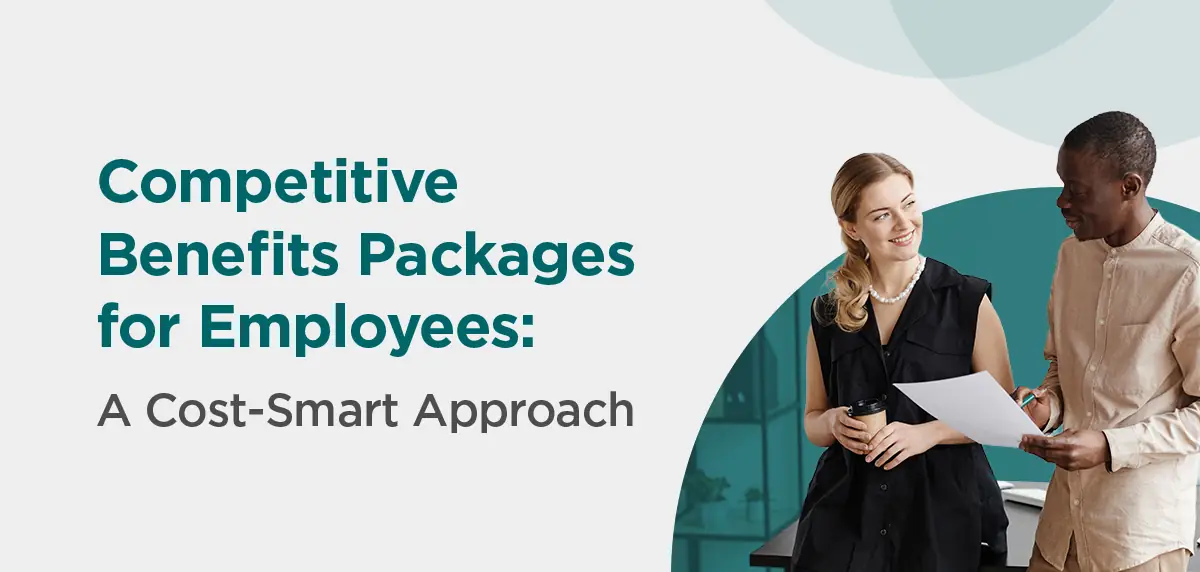
In the current tight labor market, potential hires evaluate the full employment experience, not just salary, when deciding to take or keep a position. They consider healthcare access, work flexibility, financial support and overall quality-of-life benefit options when evaluating employers. For businesses, this means that the role of employee benefits has shifted from a standard offering to a key talent acquisition strategy.
The ability to offer competitive benefits packages is typically challenging for smaller organizations. Large companies have greater purchasing power due to larger budgets, providing them with an immediate advantage in recruiting conversations. It isn’t sustainable for most emerging businesses to try to compete by adding more benefits or increasing spending.
Fortunately, there’s a mitigation tactic. Employers that understand employees’ priorities – benefits that feel useful, relevant and accessible in their daily lives – can effectively boost competitiveness while managing spend. PrestigePEO provides the necessary Human Resources and employee benefits support to employers and brokers to achieve that balance.
In this article, you’ll learn:
- How growing employers can compete for talent without large organization budgets.
- Employees value benefits beyond salary, including flexibility, family support, remote work and financial wellness programs.
- A full-service partner like PrestigePEO provides access to employee benefits typically reserved for large companies, such as top-rated health plans and life insurance.
What Benefits Do Employees Want Most Right Now?
Today’s employees place more emphasis on their holistic well-being, considering work-life balance, healthcare options, financial security and work flexibility during employer evaluations. According to SHRM’s 2025 Employee Benefits Survey, health-related benefits remain the most important benefits category for employers, followed by retirement savings and planning, leave, flexible work and family-friendly benefits, with the majority of respondents rating these benefits as “very” or “extremely important.”
High-Demand Benefits Typically Blend Protection and Convenience
Employees want to feel supported by their employers beyond their salaries. A 2025 Randstad report indicated that work-life balance was the top priority for global employees, with employees increasingly demanding hyper-flexibility, wellbeing assurances, and long-term employability.
While employees’ expectations are always evolving, they continue to prioritize these benefits:
- Quality, reliable health insurance
- Dental, vision and life insurance
- Retirement savings plans
- Paid time off and leave flexibility
- Family-focused support
- Remote or hybrid work options
- Wellness and mental health resources
- Voluntary benefits that provide more options
These benefits help employees manage everyday concerns outside of the office. Financial stress, caregiving responsibilities and mental well-being all impact an employee’s experience. Offering benefits that help reduce these pressures creates stronger value perceptions than simply expanding the number of available programs.
What Makes a Benefits Package Feel Competitive?
Many employers assume that offering more competitive benefits packages means adding more offerings every year, but a competitive package is measured more by usefulness, communication and employee alignment.
Value Perception Matters as Much as Volume
An employee’s perception of value matters more than the number of benefits options offered. These key factors make employee benefits packages feel more competitive:
Strong Core Coverage at Manageable Employee Costs
Healthcare, retirement and insurance benefits create the base of the employee benefits experience. Affordable, dependable, foundational coverage holds more value for employees than numerous supplemental offerings that aren’t relevant.
Clear Communication During Enrollment and Throughout the Year
Employees will not appreciate benefits they do not understand. While clear communication is critical during open enrollment, many organizations reduce visibility once that period is over for the remainder of the year. This communication gap leads to employees who overlook available resources or misunderstand the value of what they are getting.
Consistent communication may include benefits education throughout the year, enrollment decision support tools, simple explanations and ongoing reminders about underused programs.
Personalized Options for Different Demographics
Employees will not appreciate benefits they do not understand. While clear communication is critical during open enrollment, many organizations reduce visibility once that period is over for the remainder of the year. This communication gap leads to employees who overlook available resources or misunderstand the value of what they are getting.
Consistent communication may include benefits education throughout the year, enrollment decision support tools, simple explanations and ongoing reminders about underused programs.
Clear Communication During Enrollment and Throughout the Year
Because employees continue to expect flexibility in the workplace, that expectation extends to benefits decisions. A younger workforce may prioritize student loan assistance, for example, while employees with families place more emphasis on dependent support or leave policies. Employees nearing retirement want to make sure they have helpful financial planning tools.
Voluntary benefits can help employers address these varying priorities without significantly increasing costs.
Edward Hones, Employment Law Attorney and Founder at Hones Law, confirms that companies will “satisfy […] employees with less by providing efficient perks.”
Easy Access to Support and Administration
Benefits administration should make an employee’s experience simple. Employers should prioritize access to resources that help employees find quick answers to benefits questions. If they have problems with the benefits platform or other administrative tools, there should be a clear process for accessing assistance.
Alignment with Company Values
An employer’s approach to benefits can reinforce broader organizational values. A company that emphasizes employee well-being may support that message through mental health resources and flexible scheduling. A company focused on supporting families can strengthen its culture with expanded leave policies or caregiver resources.
When benefits align with a company’s identity, employees see them as more meaningful. Employees want to feel connected to a broader purpose that’s reflected in their employer’s offerings – in fact, employees with a strong sense of purpose are 5.6 times more likely to be engaged at work.
How Can Small Employers Compete With Big Companies on Benefits?
Large employers have budget advantages when it comes to benefits, but smaller businesses often have flexibility advantages, such as faster decision-making, stronger workplace culture and more personalized employee experiences. These can be differentiators when creating a competitive benefits strategy.
Smart Design Can Outperform Bigger Budgets
Growing employers can compete by focusing on strategic design rather than spending. Here are effective approaches to increase benefits competitiveness:
- Prioritize the most valued core benefits first: Resources should support benefits that employees consistently rank as important before expanding into other offerings.
- Offer more work flexibility: Potential options are remote work, hybrid schedules, flexible working hours or alternative scheduling arrangements.
- Add targeted wellness or lifestyle perks: Address employee needs with mental health support, wellness stipends, fitness reimbursements, financial wellness resources or family support initiatives.
- Improve employee communication: Even a competitive benefits package will lose its impact if employees struggle to understand it. Simple enrollment processes, accessible resources and year-round communication improve engagement and perceived value.
- Partner with PrestigePEO to access large-group advantages: PrestigePEO is the employer partner that provides access to large-company employee benefits, such as top-rated health insurance and life insurance offerings that businesses may struggle to secure independently because of cost or carrier restrictions.
Growing employers can keep benefits competitive and win talent with a smarter plan design, improved communication and PrestigePEO’s support.
Katie Roland, CHRO at KCSA Strategic Communications, says, “As the workforce has diversified, one size fits all benefits have gone out of fashion. For a small company like KCSA, partnering with a PEO has helped compete with larger company offerings while also allowing our employees a wider variety of choices.”

Why Does Benefits Competitiveness Matter to Brokers?
When employers need a more competitive benefits package, brokers have an important opportunity to expand their role beyond annual renewals and rate discussions.
A Better Benefits Strategy Creates Better Client Retention
A broker’s clients have concerns that go beyond cost management, such as: “Are our benefits helping attract talent?” “Are employees even using the available programs?” “Which benefits matter most to the workforce?”
Brokers can help clients answer these questions and strengthen benefits competitiveness by:
- Benchmarking current offerings: Comparing existing programs against workforce expectations and market trends will uncover meaningful gaps.
- Recommending cost-effective improvements: Small adjustments such as adding voluntary options or expanding wellness resources creates strong outcomes.
- Improving employee understanding: Employers may not realize that employees simply don’t know everything they should about their benefits. Better communication and transparency improve engagement.
- Identifying voluntary benefits that add value: Brokers can guide employers through identifying their specific employee needs and create a voluntary benefits package that adds flexibility and targeted support.
- Positioning benefits within the retention strategy: Benefits decisions increasingly influence hiring and workforce stability discussions. Helping clients connect benefits investments to broader retention goals creates measurable business value.
- Leveraging strategic partnerships: Employers need partnerships that expand administrative support, purchasing advantages and available offerings to improve competitiveness while reducing complexity.
Brokers that help clients solve workforce challenges become more valuable than brokers that are focused primarily on pricing discussions.
Build Competitive Benefits Packages That Support Growth and Retention
Competitive benefits packages play a direct role in recruiting and retention outcomes. Employee benefits influence whether candidates accept offers and whether current employees stay. Businesses don’t need the largest budgets to compete successfully, however. The right combination of meaningful coverage, flexibility, affordability and communication will lead to more competitive offerings to support business growth and employee retention.
Having the right partner can make all the difference in offering competitive benefits. PrestigePEO helps growing businesses gain access to premium employee benefits typically reserved for large companies, improving competitiveness while managing costs effectively. Contact PrestigePEO to get started.